Wondering what kind of home you are really buying in Carthay? That question matters here more than in many Los Angeles neighborhoods, because Carthay is not one single look or layout. If you are comparing homes in this historic area, understanding the architectural styles can help you make a smarter decision about livability, upkeep, and future changes. Let’s take a closer look.
Understanding Carthay’s Historic Identity
Carthay is best understood as three adjacent Historic Preservation Overlay Zones, or HPOZs: Carthay Circle, South Carthay, and Carthay Square. All three sit within the Wilshire Community Plan Area and Council District 5, but they were adopted at different times.
South Carthay became an HPOZ in 1985, Carthay Circle in 1998, and Carthay Square in 2017. Even with those different timelines, the three areas share a strong early- to mid-20th-century residential character that gives Carthay its historic feel.
Part of that character comes from thoughtful planning, not just the homes themselves. Carthay Circle was designed with underground utilities and pedestrian pathways, and the larger Carthay Neighborhoods Historic District is recognized for its intact collection of Period Revival architecture.
Home Styles You’ll See in Carthay
Carthay is often associated with Spanish homes, and for good reason. Still, the style mix is broader than many buyers expect, with Tudor, Storybook, Mediterranean Revival, French Revival, Colonial Revival, Minimal Traditional, Ranch, and Mid-Century influences all appearing in the area.
Spanish Colonial Revival Homes
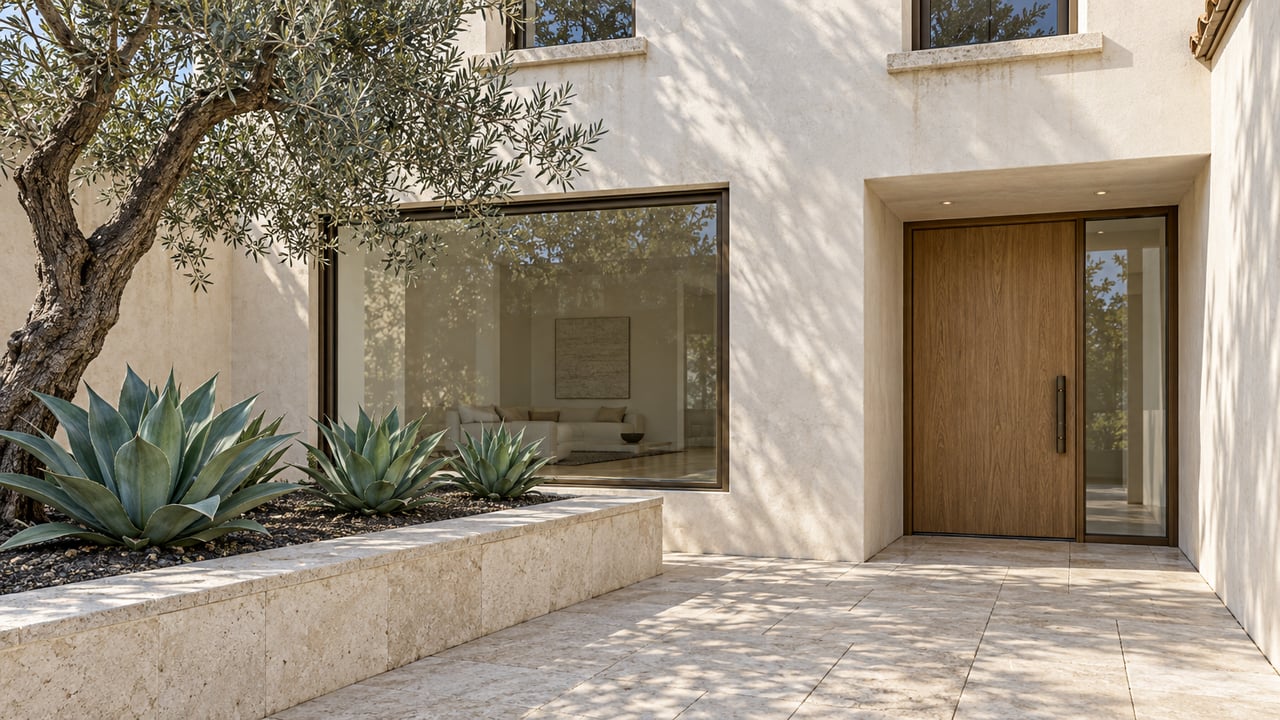
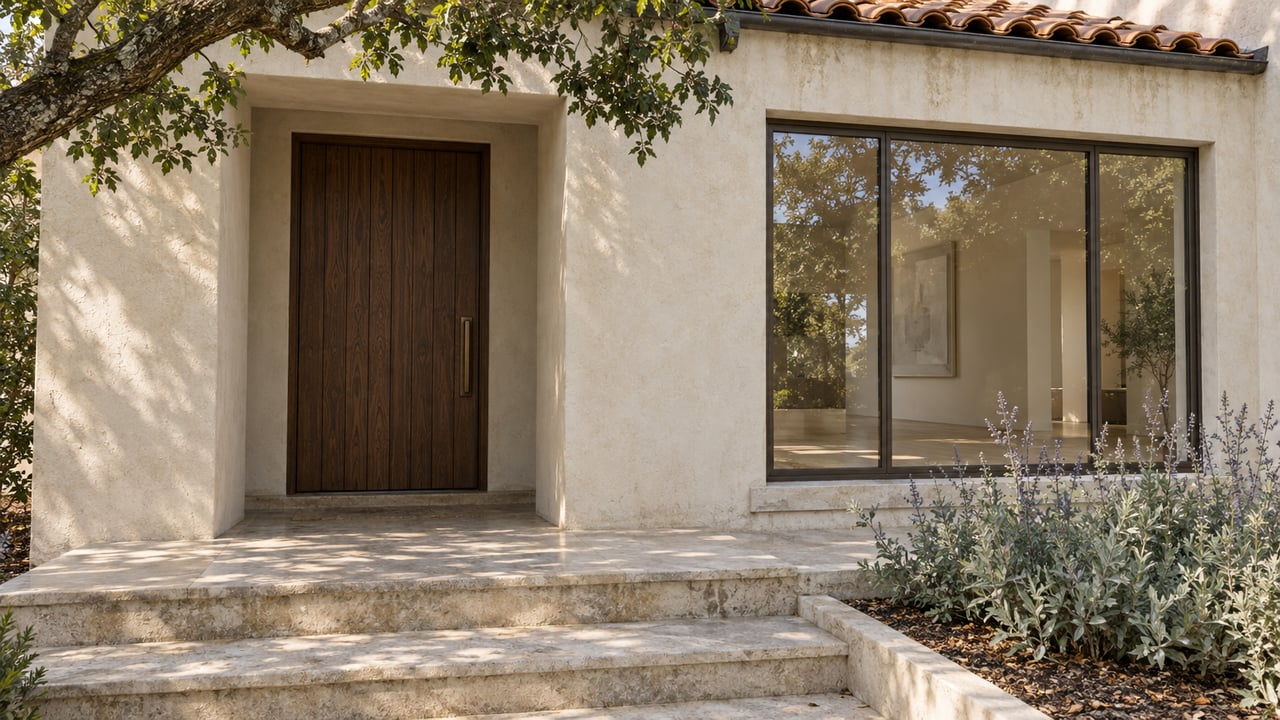
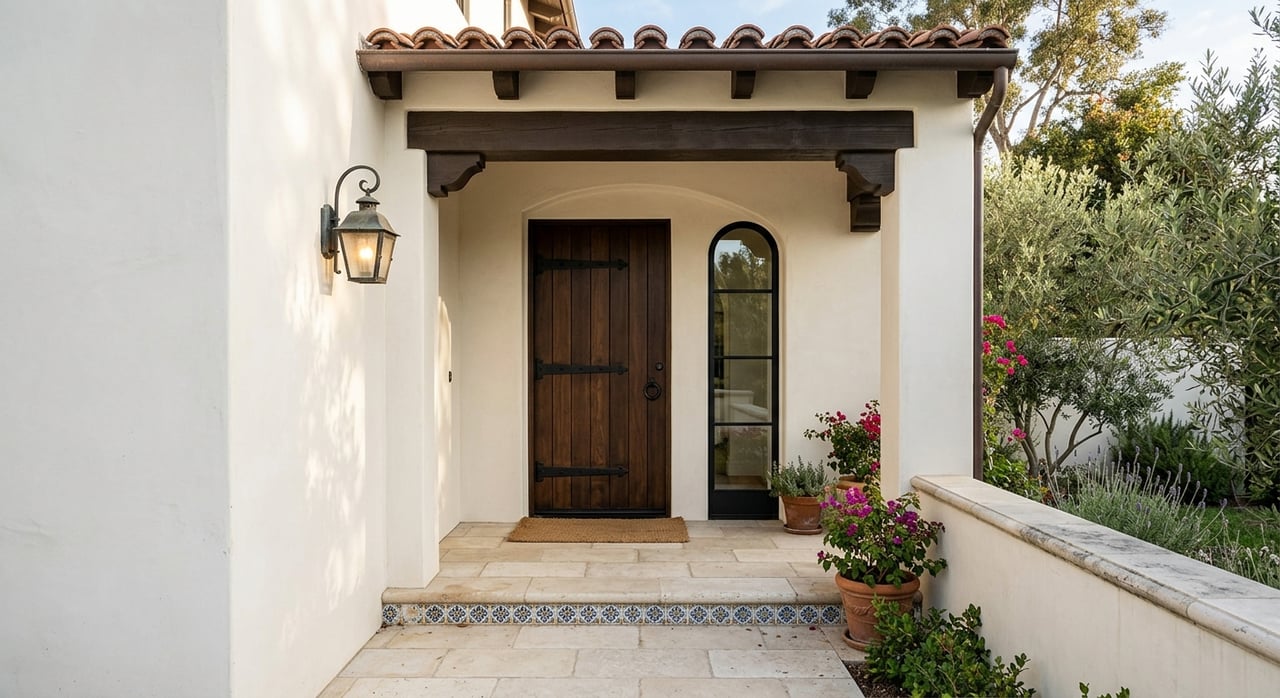
Spanish Colonial Revival is the dominant style across Carthay Circle, South Carthay, and Carthay Square. These homes often feature one- or two-story designs, rectangular floor plans, low-pitched tile or parapet roofs, stucco exteriors, arches, decorative ironwork, and patios or balconies.
For you as a buyer, that usually translates to strong curb appeal and a more formal arrangement of rooms than you may find in newer construction. It can also mean the exterior of the home carries much of its architectural value, so visible changes often require extra care.
Traditional and Colonial-Inspired Homes
Carthay also includes homes described by the city in categories such as Colonial Revival, American Colonial Revival, and Minimal Traditional. In South Carthay, Colonial Revival homes are typically symmetrical, with a centered entry, multi-pane windows, and fewer porches.
Minimal Traditional homes usually read as simpler and less ornate. If you prefer a more understated exterior or a house that feels more traditionally familiar, these homes may stand out to you.
Ranch and Mid-Century Influences
A later layer of development in South Carthay includes Ranch, Contemporary, Regency Revival, and Mid-Century Modern influences. Carthay Circle also includes some Mid-Century Modernist examples.
These homes are generally one story or split level, with broader rooflines, larger windows, attached garages, and cleaner geometry. Compared with earlier Period Revival homes, they often feel more open and more naturally aligned with modern living preferences.
How Style Affects Daily Living
Architecture is not just about appearance. In Carthay, style often shapes how a home functions day to day.
Floor Plans Can Feel More Formal
Many of Carthay’s Period Revival homes were designed before open-concept living became the norm. Spanish Colonial Revival homes are commonly one or two stories with rectangular forms, while Colonial Revival homes often emphasize symmetry and a centered front door.
That can mean more defined living and dining spaces, clearer separation between rooms, and less of the wide-open flow found in newer houses. For some buyers, that feels elegant and timeless. For others, it may require a mindset shift.
Site Planning Matters Too
The neighborhood layout also shapes the living experience. Carthay Square is known for consistent lot sizes and setbacks, landscaped parkways, and a grid street pattern.
South Carthay emphasizes rear garages and modest front walkways. In Carthay Circle, underground utilities and pedestrian pathways contribute to a particularly clean and cohesive streetscape.
Housing Mix Varies by Block
Some Carthay blocks include both single-family and multi-family residences. That means buyers should expect more variety in building types than they would in a neighborhood made up entirely of detached homes.
If you are purchasing for lifestyle reasons, it helps to evaluate each block closely rather than assuming the entire area feels the same. If you are considering a multi-family property or an income-producing opportunity, this variety may be especially relevant.
What Buyers Should Know Before Renovating
In Carthay, the style of the home affects more than aesthetics. It can also affect how easy it is to make changes later.
Because the neighborhoods are within HPOZs, exterior alterations and additions are reviewed under the City of Los Angeles preservation framework. In South Carthay, interior work that does not change exterior features is exempt, while most work that creates a visible change to the structure or site requires review.
The South Carthay preservation plan is clear on a few key points. Repairs should generally be attempted before replacement, replacement materials should match the original in material, scale, finish, and texture, and additions should remain compatible and subordinate to the original home without obscuring the front roofline.
Exterior Character Carries More Weight
If you are buying a highly intact Spanish Revival or other Period Revival home, the character-defining exterior elements are important. These can include stucco, tile roofs, windows, doors, ironwork, porches, and roof forms.
That does not mean updates are impossible. It means exterior work usually takes more planning and design sensitivity than it would in a non-historic neighborhood.
Some Homes May Be Easier to Adapt
If your long-term plan includes a major addition, an attached garage, or a significant reconfiguration, later Ranch or Traditional homes may be easier to adapt than highly intact Spanish Revival houses. Their forms are often simpler and may offer more flexibility for modern updates.
This is one reason style should be part of your buying strategy, not just your aesthetic preference. The right fit depends on whether you value historic integrity, renovation flexibility, or a balance of both.
A Quick Buyer Comparison
| Home style | What it often offers | What to watch for |
|---|---|---|
| Spanish Colonial Revival | Strong curb appeal, classic details, timeless character | More formal layouts and more care needed for exterior changes |
| Colonial Revival / Traditional | Symmetry, familiar layout cues, more restrained detailing | Still may have defined rooms and preservation considerations |
| Minimal Traditional | Simpler design, less ornamentation | May offer fewer signature architectural details |
| Ranch / Mid-Century influences | Broader rooflines, larger windows, often a more open feel | Less common in Carthay than earlier historic styles |
How to Shop Smart in Carthay
When you tour homes in Carthay, it helps to look beyond the listing photos. Pay attention to the home’s style, how intact the exterior appears, and whether the layout matches the way you want to live.
You should also think ahead about maintenance and future plans. If you love original details and want a house with strong architectural presence, a Spanish Colonial Revival or Colonial Revival home may be a great fit. If you want easier adaptation for modern living, a later Ranch or Mid-Century influenced property may deserve a closer look.
Most of all, remember that Carthay is strongest for buyers who value historic character and are comfortable with a more deliberate process for visible exterior changes. That tradeoff is often exactly what gives the neighborhood its lasting appeal.
If you are considering a purchase in Carthay and want help evaluating home style, preservation considerations, or block-by-block differences, Joel Cooper can help you navigate the details with local insight and a thoughtful, high-touch approach.
FAQs
What architectural styles are most common in Carthay homes?
- The most common style in Carthay is Spanish Colonial Revival, but you can also find Colonial Revival, Minimal Traditional, Tudor, French Revival, Ranch, and Mid-Century influenced homes.
What should buyers know about Carthay HPOZ rules?
- Buyers should know that Carthay’s HPOZ status means many exterior alterations or additions are reviewed under the City of Los Angeles preservation process, while some interior work may be exempt if it does not affect exterior features.
What do Spanish Colonial Revival homes in Carthay usually look like?
- Spanish Colonial Revival homes in Carthay often have stucco walls, arches, decorative ironwork, low-pitched tile or parapet roofs, and one- or two-story rectangular forms.
Are Carthay homes known for open floor plans?
- Many historic Carthay homes have more formal and defined room layouts than newer homes, although some later Ranch and Mid-Century influenced properties may feel more open.
What should buyers consider before renovating a Carthay home?
- Buyers should consider that character-defining exterior elements such as windows, stucco, tile roofs, doors, and ironwork may require more careful planning, matching materials, and preservation review before changes are approved.