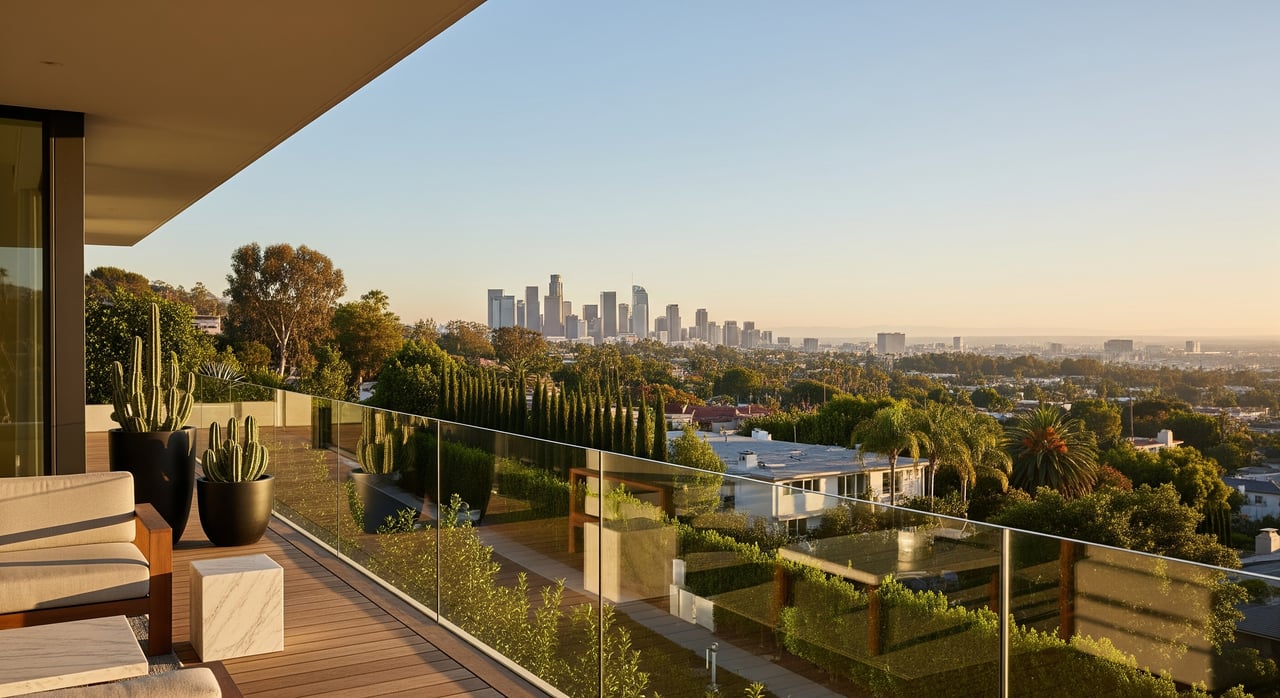
Thinking about a sleek high-rise on Wilshire or a classic Westwood house with a yard? Choosing between a condo and a single-family home here is less about right or wrong and more about how you want to live day to day. You want clarity on space, costs, commute, and long-term flexibility before you commit. This guide breaks down the trade-offs in Westwood, the Wilshire Corridor, and nearby Century City so you can decide with confidence. Let’s dive in.
Westwood and Wilshire Corridor at a glance
Westwood includes Westwood Village, the Wilshire Corridor of luxury towers, and quieter single-family streets inland from Wilshire. You have major draws like UCLA and its hospitals, the offices in Century City, and the Westfield Century City retail center. Access to I-405 and I-10 keeps you connected to greater Los Angeles. These anchors shape both lifestyle and housing demand across the neighborhood.
Condo living on the Corridor
Condominiums along the Wilshire Corridor are primarily mid to high-rise buildings, many built from the 1960s to 1980s with later updates. You’ll often find doormen, elevators, gyms, pools, and secure parking. Turnkey convenience is the hallmark here, with professional building staff and strong security.
Space and layout
Condo sizes vary from compact studios to large multi-bedroom residences. Many units feel generous inside but have limited private outdoor space beyond balconies. Storage can be tight in some buildings, though select towers offer lockers or storage rooms. If you want a big yard or workshop, a condo may feel constrained.
Amenities and services
You typically get doorman or concierge service, on-site management, fitness rooms, pools, spas, and guest parking. Those services are a major plus if you want lower-maintenance living and quick help when something needs attention. Keep in mind that the level of service and amenity quality varies by building and age.
Costs to own
Beyond your mortgage and property taxes, you will pay monthly HOA dues. These cover staffing, security, common-area utilities and maintenance, building insurance on the structure, and reserves for future repairs. Dues differ widely by building, amenity package, and the health of the reserve fund. It’s smart to review the budget, reserve study, and meeting minutes to understand upcoming work or special assessments.
Financing notes
Condo loans include project-level underwriting. Lenders look at owner-occupancy ratios, reserves, insurance coverage, and any litigation that could affect the building. If a building is considered non-warrantable, you may need a different loan product or a larger down payment. If you plan to use FHA or VA financing, confirm the building’s approval status early.
Noise, privacy, and security
Shared walls, floors, and ceilings can increase noise risk. Construction types differ, so ask about sound insulation and listen during showings. On the plus side, entry control, cameras, and staffed desks often enhance security. If you value privacy without maintenance responsibility, a well-run tower can be a great match.
Pets and building rules
Most HOAs have clear policies on pets, including size and number limits. Rules for renovations, short-term rentals, and subleasing are also common. If you want flexibility to rent your home or bring multiple pets, confirm the CC&Rs and house rules before you make an offer.
Single-family life in Westwood
Westwood’s single-family streets offer yards, driveways or garages, and more control over your environment. Inventory is limited in top blocks, which affects pricing and turnover. Many homes are traditional in style, with opportunities to update or expand over time.
Space and outdoor living
You generally get more interior space options, plus a private yard for gardening, pets, or play. Garages and driveways provide storage and parking flexibility. If indoor-outdoor living is a priority, a house often wins.
Maintenance and ownership
You manage the roof, exterior paint, landscaping, fencing, and any pool or spa. That means more control over decisions but also more time and cost. If you like to customize and prefer full autonomy, a house will likely feel rewarding.
Flexibility and future plans
With current state and city rules, it is often easier than in the past to add an accessory dwelling unit on a single-family lot, subject to local permits and standards. If multigenerational living or rental flexibility matters to you, explore ADU potential and setbacks early in your search. City rules and timelines apply, so plan ahead.
Privacy, parking, and street access
Detached homes provide more separation from neighbors and private outdoor space. Most homes have garages or driveways, and some blocks use residential permit parking. If you host often or keep multiple cars, this setup can be more convenient than a shared garage with guest policies.
Insurance and seismic
You will carry full homeowners insurance and decide whether to add earthquake coverage. Many single-family properties are not subject to the soft-story multifamily retrofit rules, but you should review past permits and any seismic improvements. Your insurance quotes will vary based on construction, upgrades, and proximity to known risks.
Walkability, commute, and access
If you want to walk to dining, film screenings, or UCLA events, the Wilshire Corridor and Westwood Village offer strong walkability by Los Angeles standards. Century City places you near major employers and the mall, with a more commercial feel around the core. For commuting, proximity to Century City, Santa Monica, and Westwood medical hubs can be a major time-saver. Regional transit along Wilshire continues to evolve, so confirm the latest station locations and timelines before you buy.
Total cost of ownership
Looking only at the purchase price can be misleading. Compare the full picture:
- Condo monthly: mortgage, property tax, HOA dues, HO-6 policy, earthquake coverage if desired, utilities not covered by the HOA, and parking-related fees if any.
- House monthly: mortgage, property tax, homeowners and optional earthquake insurance, utilities, landscaping, pool and exterior upkeep, plus periodic capital projects.
California’s property tax framework typically starts near 1 percent of assessed value plus local assessments. Your assessed value is set at purchase and generally limited in growth by state rules. Always confirm current rates and any parcel taxes for your target property.
Resale and liquidity
Single-family homes in scarce Westwood pockets often command a premium and can show strong long-term demand because of land value. Condos have deeper turnover and a broader buyer pool, especially in a walkable, amenity-rich corridor. Liquidity for condos can be more sensitive to lending rules, HOA health, and broader credit markets. Your best indicator is a building or block-level comparative market analysis with recent comps.
Decision framework: what fits your life
Use these pillars to choose with clarity:
- Budget and monthly comfort: compare your all-in monthly cost with realistic HOA dues or maintenance cycles.
- Lifestyle priorities: private yard and autonomy vs services, security, and amenities.
- Time and management: hands-on upkeep vs building staff who handle exteriors and systems.
- Long-term plans: room for family changes, ADU potential, or rental flexibility.
- Governance and rules: willingness to follow HOA policies vs control over your home.
What to check before you buy
For condos on the Wilshire Corridor
- Request the HOA budget, reserve study, meeting minutes, CC&Rs, and the master insurance policy.
- Ask about pending or recent special assessments and any litigation.
- Confirm parking allocation, storage options, guest parking rules, and EV charging policies.
- Verify rental limits, pet rules, and short-term rental restrictions.
- Review building construction, seismic updates, and any structural reports.
- Confirm lender acceptance and warrantability, especially if you need FHA or VA.
- Test noise during different times and check floor or ceiling construction.
For Westwood single-family homes
- Verify lot boundaries, setbacks, and any neighborhood HOA if present.
- Review permits and renovation history, and check for unpermitted work.
- Inspect roof, HVAC, plumbing, sewer line, drainage, and any pool equipment.
- Explore ADU or expansion potential with current city standards.
- Check whether the block uses residential permit parking and relevant street rules.
For both property types
- Get a comparative market analysis for the specific building or block.
- Model 5 to 10 years of costs, including maintenance, possible HOA increases, or special assessments.
- Gather insurance quotes, including earthquake coverage.
Which path is right for you?
Choose a Wilshire Corridor condo if you want services and security, a walkable location close to UCLA and Century City, and lower personal maintenance. Choose a Westwood house if you value a private yard, customization, and long-term flexibility for space or ADU options. Both can be smart investments here, depending on your lifestyle, budget, and time horizon.
If you’d like a block-by-block comparison, building-specific HOA insights, or a tailored cost breakdown, connect with Joel Cooper for a private consultation. We’ll help you align the property type with your life today and your plans for tomorrow.
FAQs
What do Wilshire Corridor HOA dues usually include?
- Dues often cover building staff, security, common-area utilities, maintenance, a master insurance policy for the structure, and reserves. Levels vary by building and amenity package.
How do condo and house financing differ in Westwood?
- Condo loans add project review, including reserves, insurance scope, and owner-occupancy. Non-warrantable buildings may require different loans. Single-family loans typically follow standard underwriting.
Can I add an ADU to a Westwood single-family lot?
- Many single-family lots can support ADUs under state and city rules, subject to permits and objective standards. Verify feasibility and timelines with the city and your design team.
How do condo and house insurance needs compare?
- Condo owners carry HO-6 policies for interiors and personal property, while the HOA insures common areas and structure. House owners insure the entire structure and systems. Earthquake coverage is optional and priced separately.
What is high-rise living like for noise and privacy?
- You share walls, floors, and ceilings, so construction quality and neighbor habits matter. Ask about soundproofing and visit at different times to gauge typical noise.
How do resale prospects differ for condos and houses here?
- Single-family homes often benefit from land scarcity and can hold a premium. Condos can resell well too, especially in well-managed buildings with strong amenities. Liquidity can be more sensitive to lending and HOA health.
What should I know about parking near UCLA and Westwood Village?
- Many condo buildings include assigned parking and guest policies, while nearby streets may be under permit programs. Most single-family homes have garages or driveways, reducing reliance on street parking.