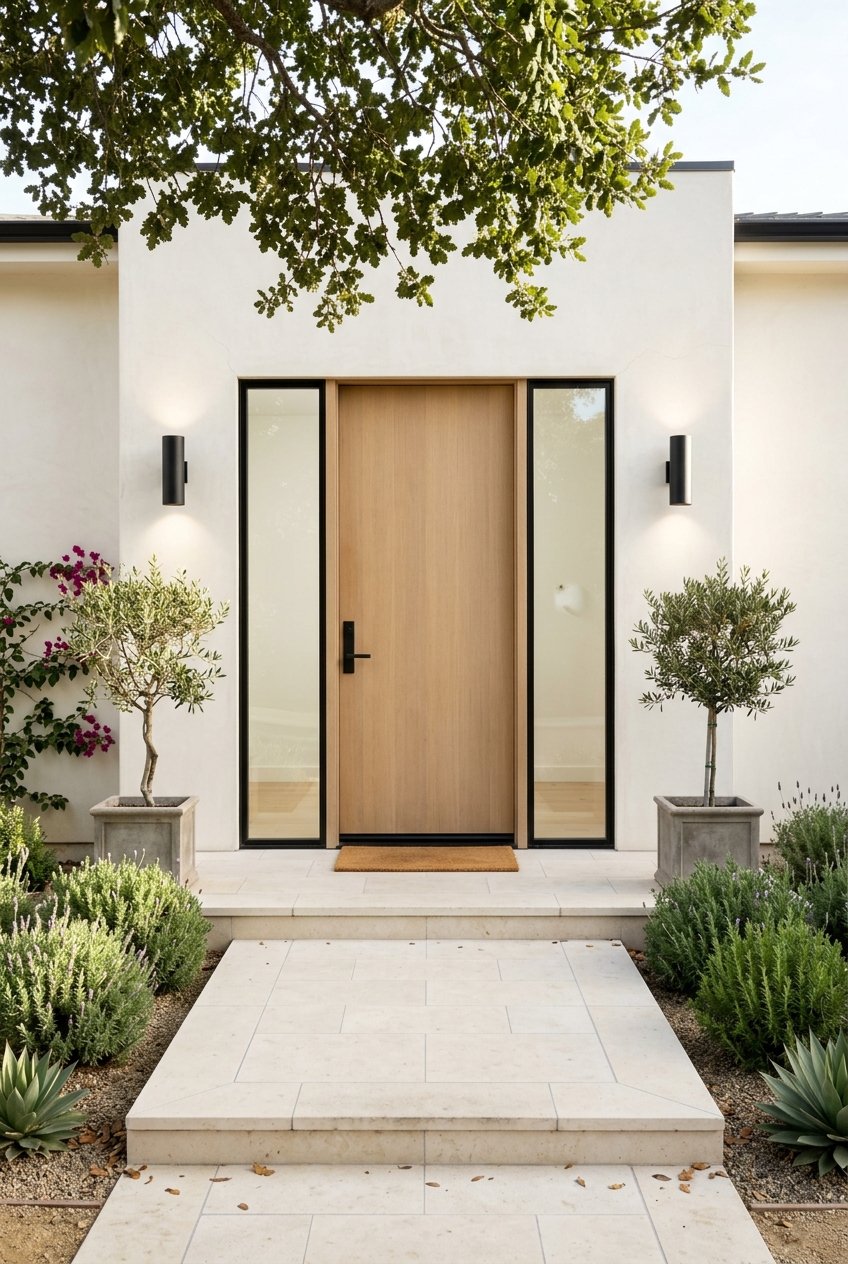
What makes Cheviot Hills feel so instantly familiar, even if it is your first time driving its winding streets? Part of the answer is that this Westside neighborhood has spent decades appearing on screen, quietly shaping how people picture classic Los Angeles residential life. If you are curious about what gives Cheviot Hills its distinctive character, this guide will show you how film history connects to its streetscape, architecture, recreation, and everyday rhythm. Let’s dive in.
Cheviot Hills has deep studio roots
Cheviot Hills was originally developed in the 1920s, and the neighborhood today includes about 1,400 single-family homes, many built between the 1920s and 1940s, according to the Cheviot Hills Homeowners' Association. Its location near Century City, Westwood, Beverly Hills, and Culver City placed it close to both established neighborhoods and major employment centers.
That location also mattered to the entertainment industry. City and neighborhood history sources note that the main Cheviot Hills tracts were laid out in 1923, 1924, and 1926, while Fox Studios established a presence nearby in the late 1920s and early 1930s. From the start, Cheviot Hills developed as a residential neighborhood with a close connection to the wider studio landscape of West Los Angeles.
Film history shows up in the setting
Cheviot Hills did not become camera-friendly by accident. Historical sources show the neighborhood was marketed around architectural controls, quality home materials, and proximity to clubs, studios, and the beach, helping create a cohesive residential setting with a low-scale feel and rolling topography. You can still see how those early planning decisions shaped the neighborhood's visual appeal today.
That visual consistency is part of why the area has worked so well on screen. A reasonable takeaway from local Cheviot Hills tract history is that the streets feel polished without feeling overly formal, which gives productions a flexible backdrop for suburban scenes.
A neighborhood with a long on-screen record
Cheviot Hills has a long film and television footprint. In 2014, FilmLA noted that the neighborhood had historically been popular for filming and continued to be film-friendly.
Neighborhood history sources list productions such as Bacon Grabbers, The Ropers, Private School, The Flying Nun, Nanny and the Professor, and Modern Family as examples of projects filmed in the area. Rather than reading that as a complete list, it is more useful to see it as evidence of a recurring pattern: Cheviot Hills has often served as a believable, well-kept residential stand-in for life on screen.
Why Cheviot Hills feels cinematic
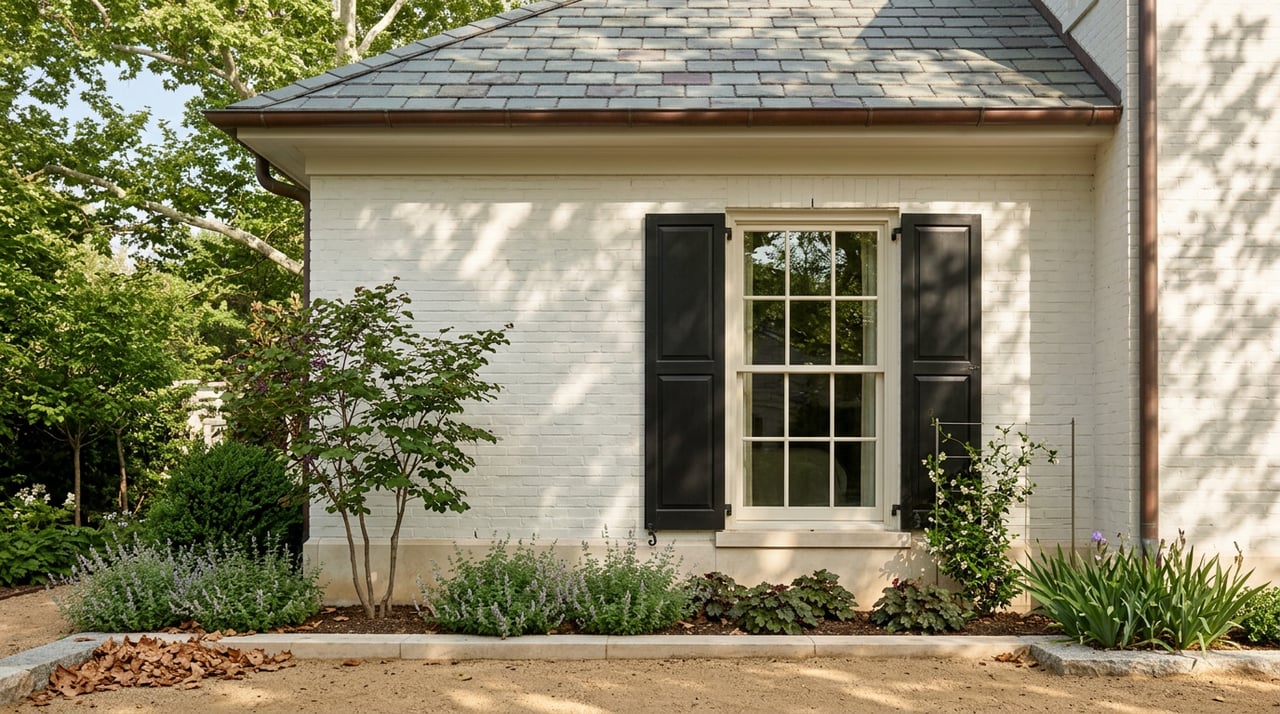
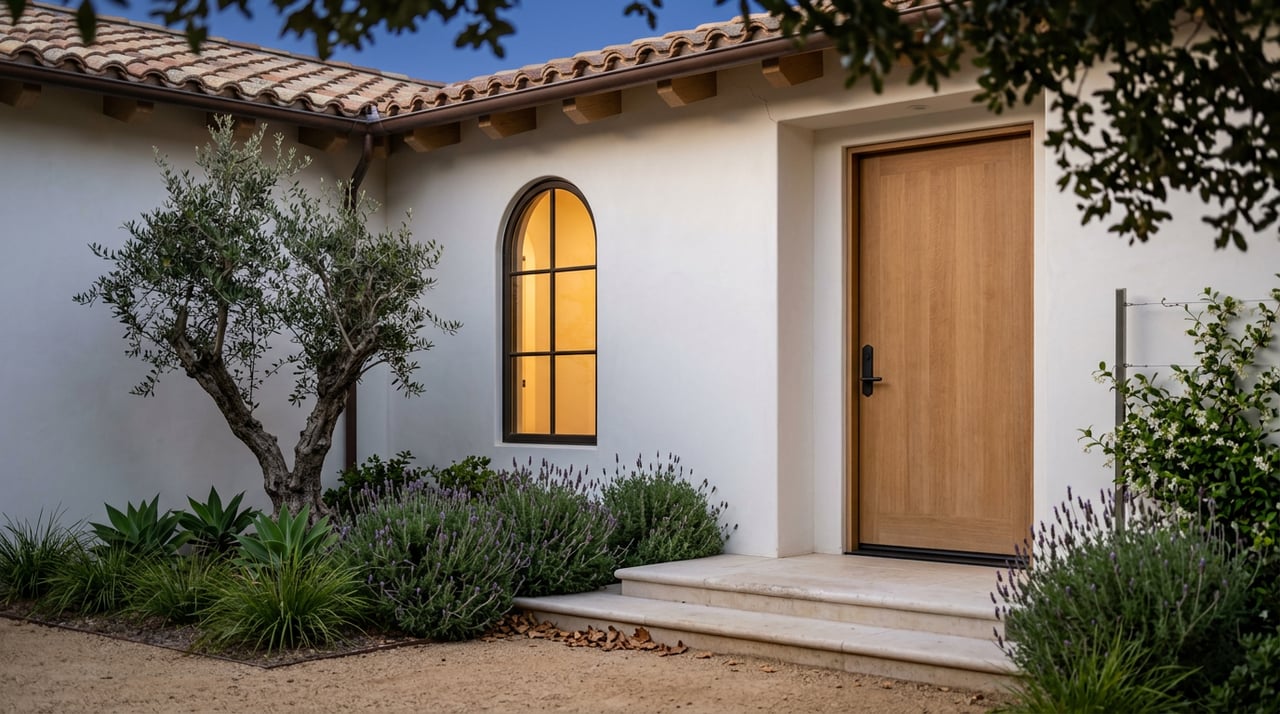
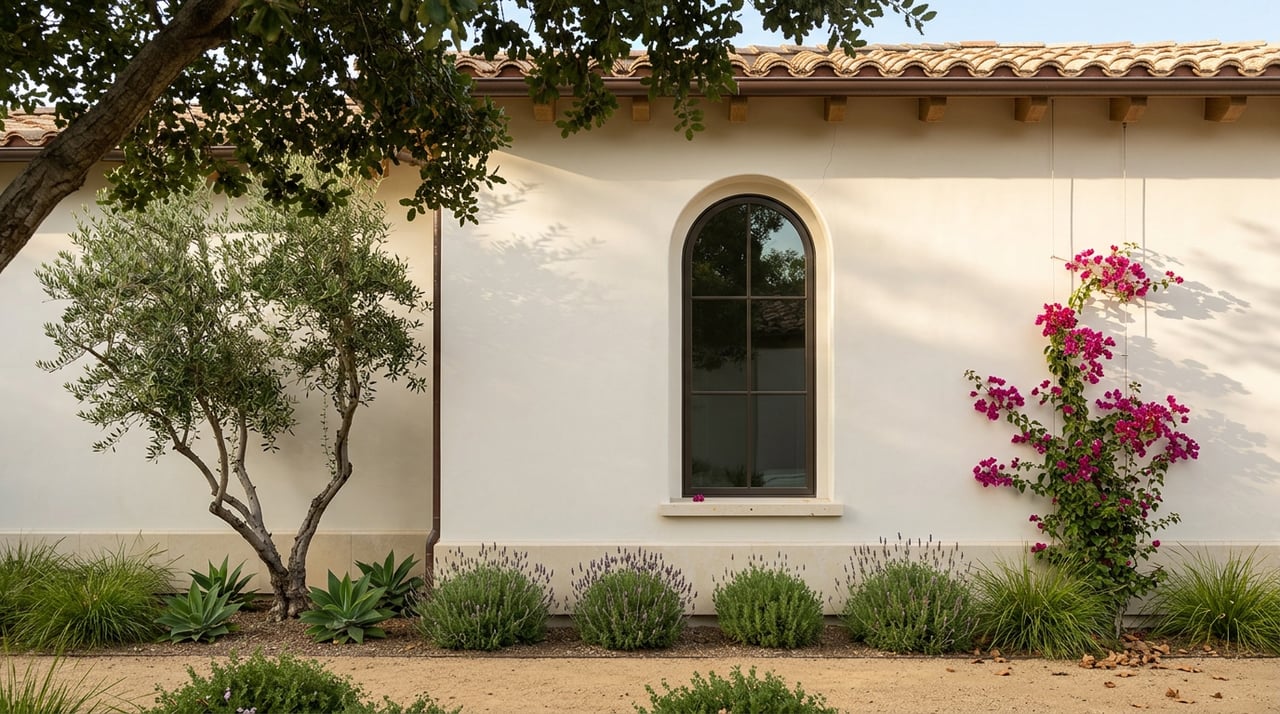
Some neighborhoods look good in photos. Cheviot Hills often feels like a complete set, in the best possible way. Its gently rolling streets, mature landscaping, and varied early residential architecture create visual depth that feels both composed and lived in.
Local history also points to distinctive homes built by Aiken, including cottages and storybook-style residences with thatched roofs, curving brick walkways, and handcrafted interiors. These details, documented by Cheviot Hills history sources, help explain why the neighborhood can feel memorable even in small moments, whether you are walking the block or noticing a home façade from the street.
Golf and open space shaped the backdrop
Film history is only part of the story. The recreational landscape has also played a major role in shaping how Cheviot Hills looks and functions.
According to SurveyLA documentation from the City of Los Angeles, Rancho Park Golf Course opened in 1949 and became the city's first full-length golf course outside Griffith Park. The southeast section of that original site later became the current Cheviot Hills Recreation Center, which was completed in 1950.
Today, the Cheviot Hills Recreation Center at 2551 Motor Ave. and Rancho Park Golf Course at 10460 W. Pico Blvd. add a major public recreation presence to the neighborhood. The rec center includes sports and cultural programming, along with amenities such as tennis courts, an archery range, a seasonal pool, pétanque courts, picnic tables, barbecue pits, community rooms, and a kitchen.
Everyday life feels established and active
One reason Cheviot Hills stands out is that it does not feel like a movie set frozen in time. It feels like an active residential neighborhood with long-term structure, public amenities, and established civic involvement.
The mix of older homes, recreation space, and neighborhood continuity gives the area a lived-in quality that many buyers notice right away. If you are comparing Westside neighborhoods, Cheviot Hills often appeals because it offers visual character and local identity without losing day-to-day practicality.
Filming is part of the routine
If a neighborhood has deep ties to film and television, you may wonder what that means for daily life. In Cheviot Hills, filming is generally handled as a managed, routine part of the local environment rather than an unpredictable disruption.
FilmLA's neighborhood notification system says nearby homes and businesses usually receive about two days' advance notice when filming is planned. Those notices typically include expected street parking impacts and production contact information.
FilmLA also says that, in most cases, cast and crew vehicles must park off-site and shuttle in. That system helps limit the kind of block-by-block congestion many people imagine when they hear that filming is happening nearby.
Civic management supports neighborhood balance
Cheviot Hills appears to approach filming the same way it handles other neighborhood issues: through organized communication and active local oversight. FilmLA currently includes Cheviot Hills in its eNotification coverage areas, which helps residents stay informed about upcoming activity.
At the same time, the neighborhood association remains active through monthly board meetings and a 24/7 patrol car, with one board bio specifically noting involvement in filming issues. Taken together, these details suggest that filming is not treated as a novelty. It is part of the neighborhood's ongoing civic management.
What this means if you are buying
If you are thinking about buying in Cheviot Hills, film history can tell you something useful beyond trivia. It highlights the neighborhood's long-standing visual appeal, consistent residential scale, and the kind of streetscape that has remained desirable across decades.
It also points to a neighborhood identity that is hard to replicate. The combination of early architecture, open space, studio-adjacent history, and established community structure gives Cheviot Hills a character that feels both classic and distinctly Westside.
What this means if you are selling
If you own a home in Cheviot Hills, the neighborhood's film history can support a stronger story around place, character, and setting. Buyers are often drawn not just to square footage or finishes, but to neighborhoods with a clear sense of identity.
In Cheviot Hills, that identity is tied to preserved streetscapes, architectural charm, and a long public familiarity with the area's look and feel. When marketing a home here, understanding those neighborhood-level details can help position the property in a way that feels grounded and compelling.
Cheviot Hills offers more than nostalgia
The strongest takeaway is that film history in Cheviot Hills is not only about famous productions or old Hollywood connections. It is about how decades of planning, architecture, recreation, and studio proximity created a neighborhood that still feels visually coherent and highly livable.
That blend of history and day-to-day function is a big part of what makes Cheviot Hills stand out on the Westside. If you want help understanding how Cheviot Hills fits into your buying or selling plans, Joel Cooper offers local guidance rooted in neighborhood knowledge, thoughtful strategy, and personal service.
FAQs
How does film history influence daily life in Cheviot Hills?
- Film history mainly shows up through occasional, organized production activity and a neighborhood setting that has long been attractive to location scouts. FilmLA says nearby homes and businesses usually receive advance notice about filming, including parking impacts and production contacts.
Why has Cheviot Hills been used for film and TV productions?
- Cheviot Hills offers a consistent residential scale, rolling topography, distinctive homes, and a studio-adjacent Westside location. Those features have made it a useful backdrop for productions over many decades.
What recreational amenities are available in Cheviot Hills?
- The neighborhood includes the Cheviot Hills Recreation Center and Rancho Park Golf Course. The recreation center offers sports and cultural programming, tennis courts, an archery range, a seasonal pool, pétanque courts, picnic areas, community rooms, and more.
What types of homes help define Cheviot Hills character?
- Local history sources point to many homes built from the 1920s through the 1940s, including notable cottages and storybook-style homes associated with Aiken construction. These architectural details contribute to the neighborhood's distinctive streetscape.
What should homebuyers know about Cheviot Hills before moving?
- Homebuyers should understand that Cheviot Hills combines historic residential character, significant recreation amenities, and a long connection to the entertainment industry. For many buyers, that creates a strong mix of neighborhood identity and everyday convenience.