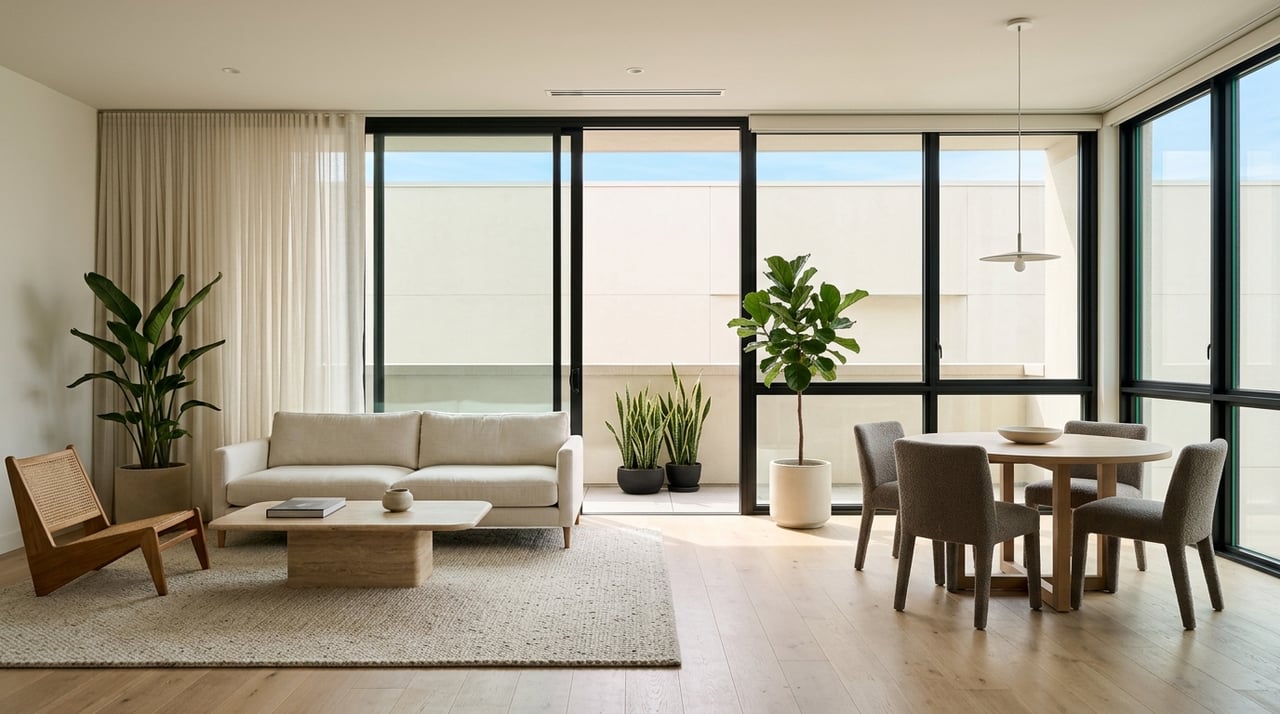
If you are selling a condo in Miracle Mile, staging is not just about making the space look nice. It is about helping buyers picture a clear, comfortable city lifestyle in one of Los Angeles’ most culture-rich, walkable corridors. When your home competes online and in person, the right presentation can make the layout feel larger, brighter, and more intentional. Let’s dive in.
Why Miracle Mile staging is different
Miracle Mile offers more than a condo address. City planning guidance describes it as both a Wilshire Boulevard corridor and a surrounding residential neighborhood, with a mix of office buildings, neighborhood retail, entertainment, and one of Los Angeles’ largest museum concentrations.
That means your staging should sell both the home and the experience around it. Buyers are often drawn to the area for its cultural landmarks, walkability, dining, and transit access, so your condo should feel like a calm, stylish base within a lively urban setting.
Start with the rooms buyers notice most
In condo marketing, a few spaces do most of the heavy lifting. According to the National Association of Realtors 2025 staging report, the living room, primary bedroom, dining room, and kitchen are the rooms most often staged.
That matters in Miracle Mile, where many buyers are comparing compact floor plans and looking closely at how each room functions. If those core areas feel polished and easy to understand, the entire home tends to feel more livable.
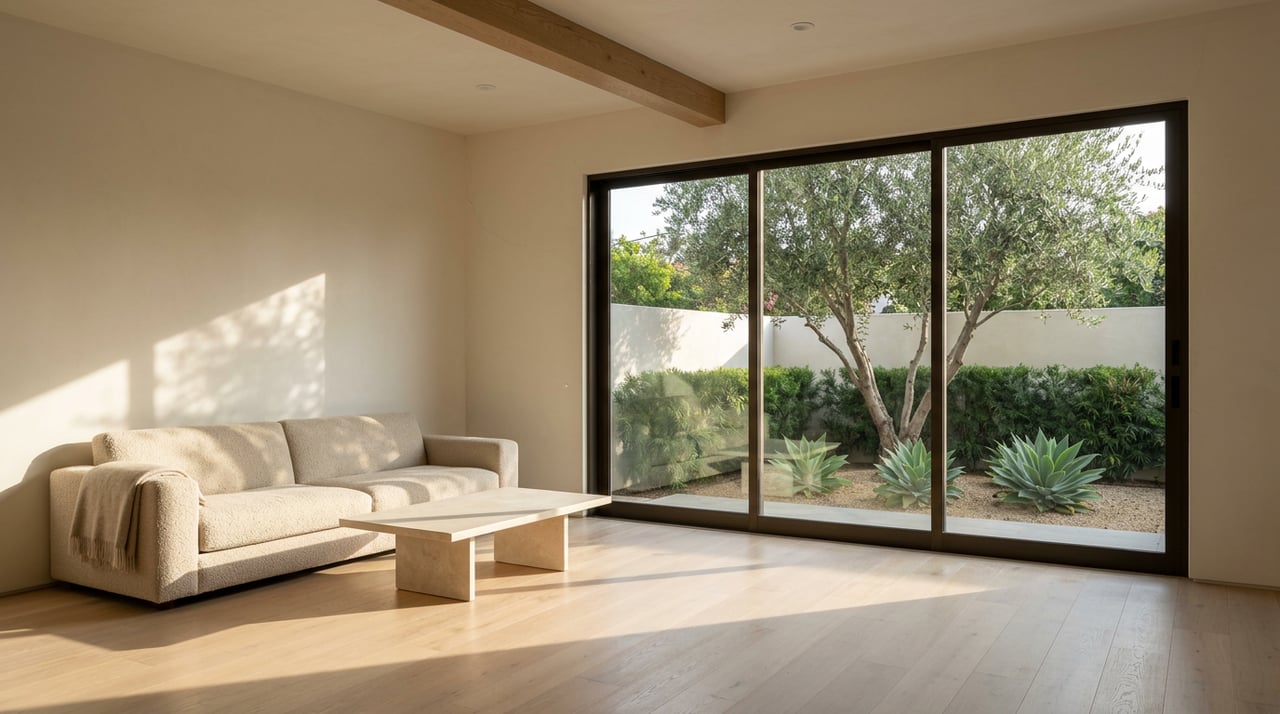
Stage the living room for openness
Your living room often creates the first real emotional impression. In an urban condo, that room should feel open, flexible, and easy to move through.
Remove extra seating, bulky side tables, and anything that interrupts sightlines. A lighter furniture plan can make the space feel larger without making it look empty.
Keep the primary bedroom calm
The primary bedroom should read as restful and uncluttered. Crisp bedding, simple nightstands, and limited decor usually work better than layered styling that feels too personal or busy.
If the room is tight, use light and consistent colors to reduce visual noise. Buyers should walk in and feel that the space is functional and relaxing.
Give dining areas a clear purpose
In many condos, dining space is limited or shared with the main living area. Instead of letting that area feel vague, give it a defined use with a properly scaled table or a simple dining setup.
This is especially important in lofts or open floor plans. Buyers tend to respond better when they can quickly understand how a space works.
Simplify the kitchen
Kitchens do not need heavy styling to feel attractive. Clear counters, organized open shelving, and a clean, bright finish often make a stronger impression than decorative extras.
In a Miracle Mile condo, buyers are often looking for easy daily living. A kitchen that feels efficient and well kept supports that story.
Make small spaces feel bigger
Urban buyers expect smart use of space. If your condo is on the smaller side, staging should emphasize volume, flexibility, and flow.
Current staging guidance recommends removing unnecessary furniture, decluttering closets and surfaces, keeping colors light, and preserving open corners. Dark or busy interiors can make a unit feel more confined, while mirrors, glass, and lighter finishes can help rooms feel more expansive.
Use fewer, better-scaled pieces
Oversized furniture can quickly overwhelm a condo. Choose fewer pieces with clean lines so buyers can see the room itself, not just the furniture in it.
This is one of the simplest ways to make square footage read more generously in photos and during showings.
Show flexible living
Multiuse furniture can help buyers understand how the home supports modern urban life. A compact desk, a small dining setup, or a bench with storage can suggest that one room can serve more than one purpose.
That approach is useful in Miracle Mile, where buyers may want space for working from home, casual dining, or hosting a few friends without crowding the unit.
Define loft-style layouts
If the condo has a loft-like or open layout, avoid leaving every zone undefined. Staging should create a clear work area, reading corner, or dining zone so the plan feels intentional.
An open room does not need more furniture. It needs better visual structure.
Focus on light and sound
In a dense corridor like Miracle Mile, buyers often notice light and noise right away. Those details can shape how comfortable the home feels, so they should be part of the staging plan.
The goal is simple: make the condo feel bright, calm, and balanced without overdoing it.
Brighten the home naturally
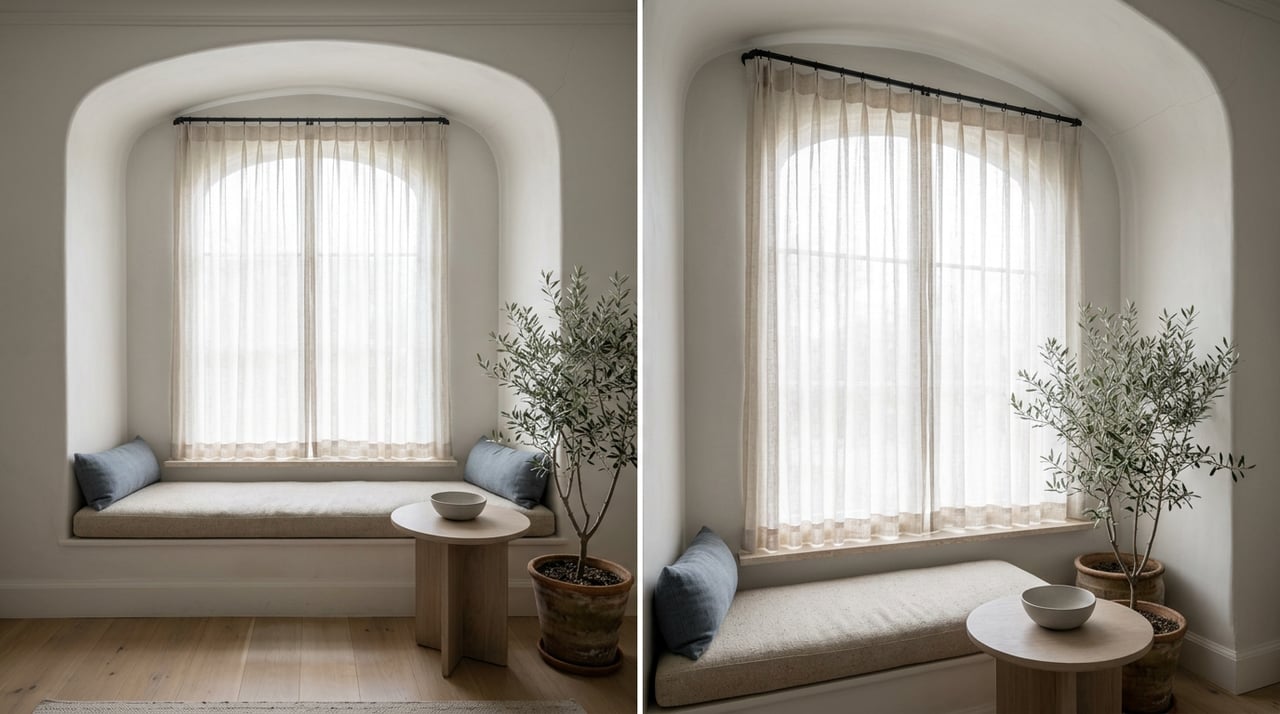
Poor lighting can make even a well-designed condo feel smaller. Keep window treatments light and practical so they do not block natural light.
If the unit does not get strong daylight, use layered lighting with a consistent color temperature. Daylight-toned bulbs and evenly lit rooms tend to photograph better and feel more welcoming in person.
Soften sound without darkening the space
Street activity is part of urban living, and buyers know that. Still, you can stage for comfort by reducing harsh echoes and minimizing distracting sounds.
A quick sound audit can help you catch hums, squeaks, and drips before showings. Thick area rugs, upholstered furniture, and well-chosen drapes can help absorb sound while keeping the room visually soft and comfortable.
Match the listing photos to real life
For condo listings, online presentation is part of the staging itself. The National Association of Realtors reports that photos, videos, and virtual tours are highly important to buyers’ agents, and that many buyers are more willing to tour a home after first seeing it online.
That means your home needs to look polished on screen and feel consistent in person. If the photography promises bright, open, calm living, the actual showing should deliver the same experience.
Invest in professional visuals
Professional photography and video are especially important in Miracle Mile, where buyers may compare multiple urban listings quickly. Strong visuals help them understand layout, scale, and flow before they ever step inside.
This aligns closely with the Joel + Dorit Cooper approach to marketing. Thoughtful presentation, clean media, and disciplined listing strategy can help your condo stand out without relying on hype.
Keep the look believable
Buyers often expect homes to look like they were professionally staged, but disappointment can set in when the real property does not match the imagery. The smartest strategy is to make the home look excellent, not exaggerated.
In practice, that means clean surfaces, balanced furniture, bright lighting, and styling that still feels natural when someone walks through the front door.
Sell the Miracle Mile lifestyle
A Miracle Mile condo is not an isolated box in a building. It is part of a district known for museums, dining, and walkable cultural destinations.
Official area sources place LACMA, the Academy Museum, the La Brea Tar Pits, the Petersen Automotive Museum, and Craft Contemporary within the same broader museum district. The area is also tied to transit access, including the Wilshire/Fairfax Metro station identified by the Academy Museum.
Let the home support the neighborhood story
Your staging should reflect the neighborhood’s identity. A clean, design-forward condo with comfortable seating, simple materials, and a calm palette fits the story of a buyer who wants access to culture, restaurants, and city energy.
This does not mean over-theming the space. It means presenting the condo as an easy, refined home base in a connected urban setting.
Highlight walkability and daily convenience
Miracle Mile is often valued for what is nearby as much as for what is inside the unit. LACMA describes the area as a lively stretch of Wilshire with nearby dining and cultural destinations within a short walk.
That context can shape how buyers see the condo. When the interior feels efficient and inviting, the surrounding neighborhood becomes a real extension of the home.
Think of staging as a marketing investment
Staging is often one of the more practical upgrades a seller can make before going to market. The National Association of Realtors reported median staging-service costs of $1,500 when a professional staging company was used and $500 when the listing agent handled staging.
For many sellers, that frames staging as a targeted marketing decision rather than an unnecessary extra. If it helps buyers visualize the home more easily and strengthens the online presentation, it can support a better launch and a stronger first impression.
Final thoughts on staging a Miracle Mile condo
The best Miracle Mile condo staging is clear, restrained, and specific to the way urban buyers live. It should make the layout feel intentional, maximize light, soften sound, and connect the home to the neighborhood’s culture and convenience.
When that presentation is paired with strong photography, video, and thoughtful listing strategy, your condo can feel more memorable from the very first click to the final walkthrough. If you are preparing to sell in Miracle Mile and want a smart, marketing-led plan, Joel Cooper can help you position your home with care and precision.
FAQs
What rooms matter most when staging a Miracle Mile condo?
- The living room, primary bedroom, dining room, and kitchen usually matter most because they shape how buyers judge space, comfort, and daily livability.
How should you stage a small condo for urban buyers in Miracle Mile?
- Use fewer, well-scaled furniture pieces, keep colors light, clear clutter from surfaces and closets, and define each area so the home feels open and purposeful.
Why does lighting matter when selling a condo in Miracle Mile?
- Bright, even lighting helps rooms feel larger, warmer, and more inviting, which is especially important in photos, videos, and in-person showings.
How can you reduce noise concerns when staging a Miracle Mile condo?
- A quick sound audit, plus rugs, upholstered furniture, and light-filtering drapes, can help soften acoustics and create a calmer feel without making the home darker.
Why is neighborhood storytelling important in a Miracle Mile condo listing?
- Buyers are often drawn to Miracle Mile for its museums, dining, walkability, and transit access, so the listing should present the condo as part of that larger lifestyle.
Is professional staging worth it for a condo sale in Miracle Mile?
- It can be, especially when it improves buyer visualization, strengthens online presentation, and helps the home feel more polished and easier to understand.