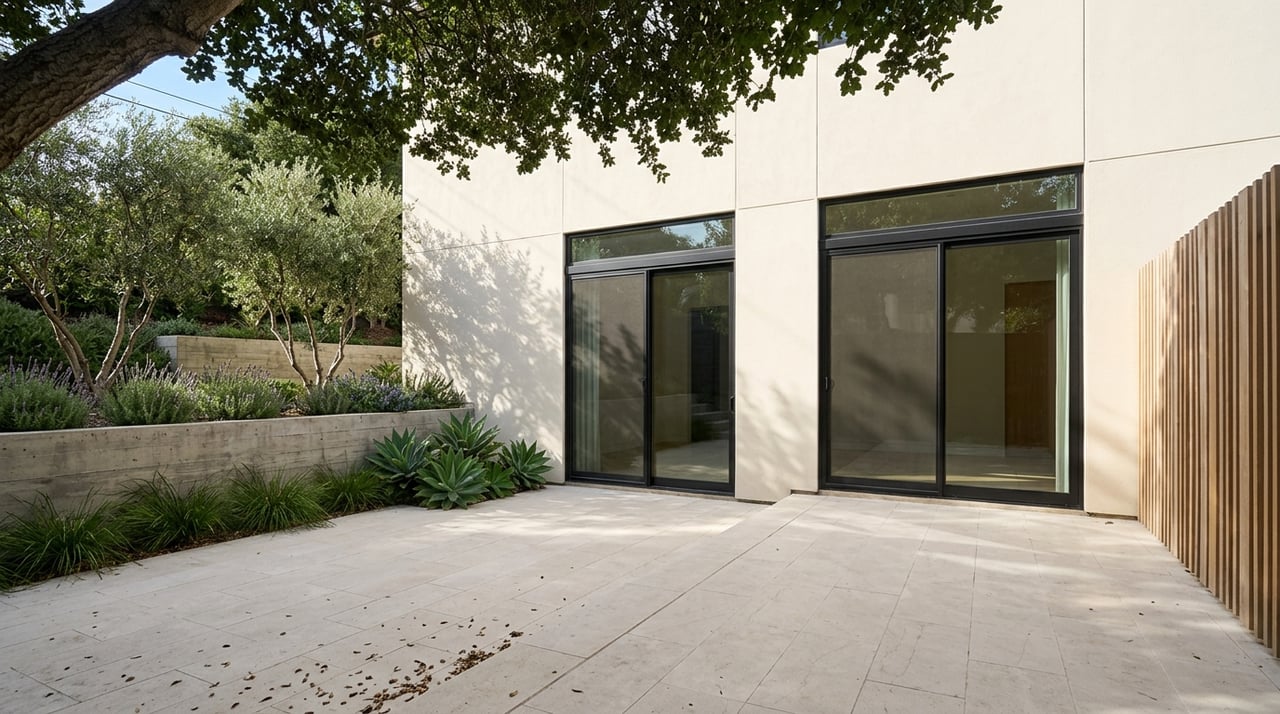
If you have ever wondered why two Beverly Hills homes with similar square footage can sell at very different prices, you are asking the right question. In this market, broad averages often miss what actually drives value from one block, slope, or parcel to the next. When you understand Beverly Hills as a group of micro-markets instead of one uniform market, pricing decisions become much clearer. Let’s dive in.
Why Beverly Hills pricing varies so much
Beverly Hills covers just 5.7047 square miles, yet the city’s elevation ranges from 125 to 1,500 feet above sea level. On top of that, the city’s zoning materials distinguish between the Central, Hillside, and Trousdale Estates single-family areas. According to City of Beverly Hills materials, that mix of compact geography, major elevation changes, and area-specific rules helps explain why pricing can shift so sharply from one pocket to another.
That means a citywide median price may give you market context, but it does not tell you what your home is worth or what a specific property should command. In Beverly Hills, pricing is often shaped by hyper-local factors that do not show up in broad averages.
Citywide data only tells part of the story
Recent market trackers show a luxury market where precision matters. Redfin’s February 2026 Beverly Hills market snapshot reported a $4.8 million median sale price and 124 days on market, while Realtor.com’s February 2026 data pointed to 356 homes for sale, a $6.5 million median list price, and a 97% sale-to-list ratio. The figures vary by methodology, but both suggest the same thing: pricing strategy matters.
Zip code data shows why citywide numbers are too broad. Redfin’s February 2026 zip code medians were about $3.4 million in 90210, $3.6 million in 90212, and $1.4 million in 90211. That lower 90211 figure includes several condo sales, which shows how quickly a zip code median can blur the differences between property types and single-family micro-markets.
Key factors that shape Beverly Hills micro-markets
Area designation matters
One of the first valuation questions is where the property sits within the city’s single-family framework. Beverly Hills distinguishes between the Central Area, Hillside, and Trousdale Estates, and those distinctions can affect design standards, building potential, and buyer expectations.
This is one reason two homes with similar bedroom counts may not compete directly. Even if they appear comparable on paper, they may sit in different regulatory environments with different constraints and value drivers.
Elevation and topography affect value
In Beverly Hills, land is not all created equal. The city’s Housing Element explains that maximum home size can depend on lot size, setbacks, height limit, buildable pad, and in the Hillside and Trousdale Estates areas, topography.
That matters because two homes with the same interior square footage may have very different long-term value ceilings. A larger, flatter, more buildable lot may offer more flexibility than a steeper site with tighter physical constraints.
Lot size can change future options
Lot size is not only about yard space or privacy. It can also influence what the parcel may legally support over time. Beverly Hills’ Accessory Dwelling Unit program allows an additional ADU on single-family properties with 13,000 square feet or more of lot area, subject to deed restriction and other requirements.
For some buyers, that creates a meaningful distinction between larger and smaller parcels. Even if two homes feel similar today, the larger lot may offer future flexibility that supports stronger demand.
Corridor location creates a different experience
Not every Beverly Hills address lives the same way. The city says C-3 commercial zoning is concentrated in the Business Triangle and along major boulevards, while the Mixed Use Overlay Zone includes stretches of Wilshire Boulevard, South Beverly Drive, Santa Monica Boulevard, La Cienega, Robertson, Olympic, and South Doheny.
Homes near these active corridors may appeal to buyers who value access to dining, shopping, and a more connected daily routine. At the same time, boulevard-adjacent properties can sit within a different regulatory and physical setting than quieter interior blocks, including transition standards such as added setbacks and operational limits. That means proximity to commercial activity can influence pricing in more than one direction.
Central Area, Hillside, and Trousdale pricing lenses
Central Area pricing
The Central Area follows a distinct design-review framework. According to the city’s Design Review guidance, the goal is to help homes complement their neighborhoods, maintain appropriate scale and massing, and support the city’s garden quality.
For pricing, this means buyers and sellers should look beyond square footage alone. Streetscape fit, exterior presentation, and how a home relates to surrounding properties can play an important role in how the market responds.
Hillside pricing
Hillside homes often require more local context than flat-land properties. Topography can affect a home’s buildable potential, usability, and the type of buyer it attracts. In some cases, elevated locations may also bring added considerations around access and mitigation.
The city’s Public Tree Program information references VHFHSZ-related defensible-space measures, including discussion of Trousdale Estates, evacuation corridors, and wildfire hazard reduction. For buyers comparing hillside options, those factors can influence decision-making alongside views, lot shape, and privacy.
Trousdale Estates pricing
Trousdale Estates often needs especially careful analysis because broad averages can be even less useful there. A property’s topography, access, view orientation, and site characteristics may all carry outsized importance.
That is why sellers in Trousdale and serious buyers evaluating that area typically benefit from a very narrow comp set. The most relevant comparisons are often far smaller than a zip code and sometimes smaller than the neighborhood label itself.
Architecture and design can influence buyer response
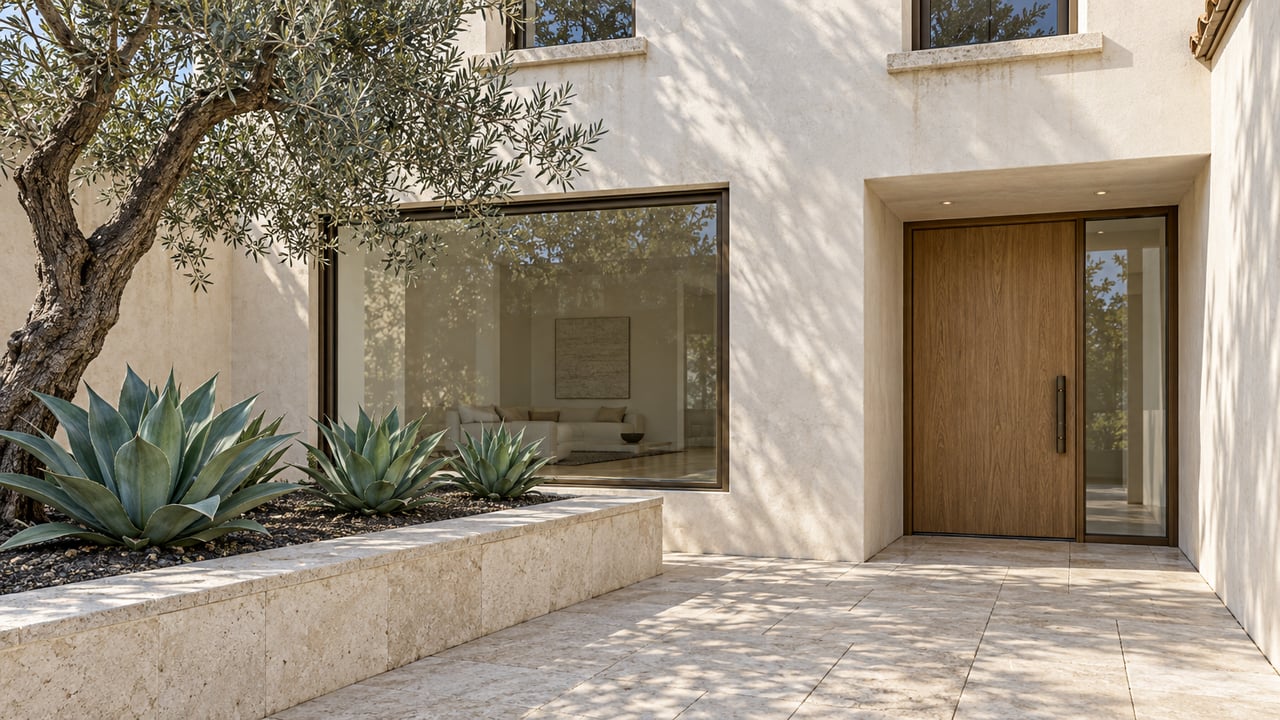
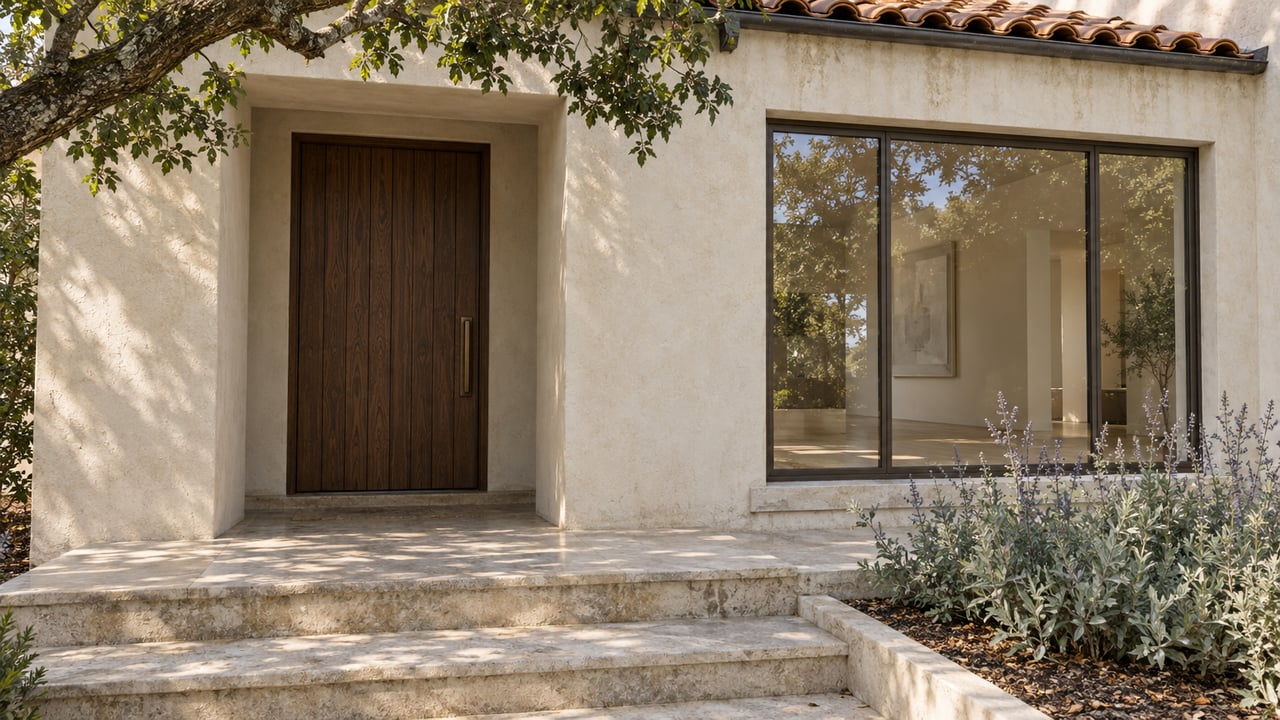
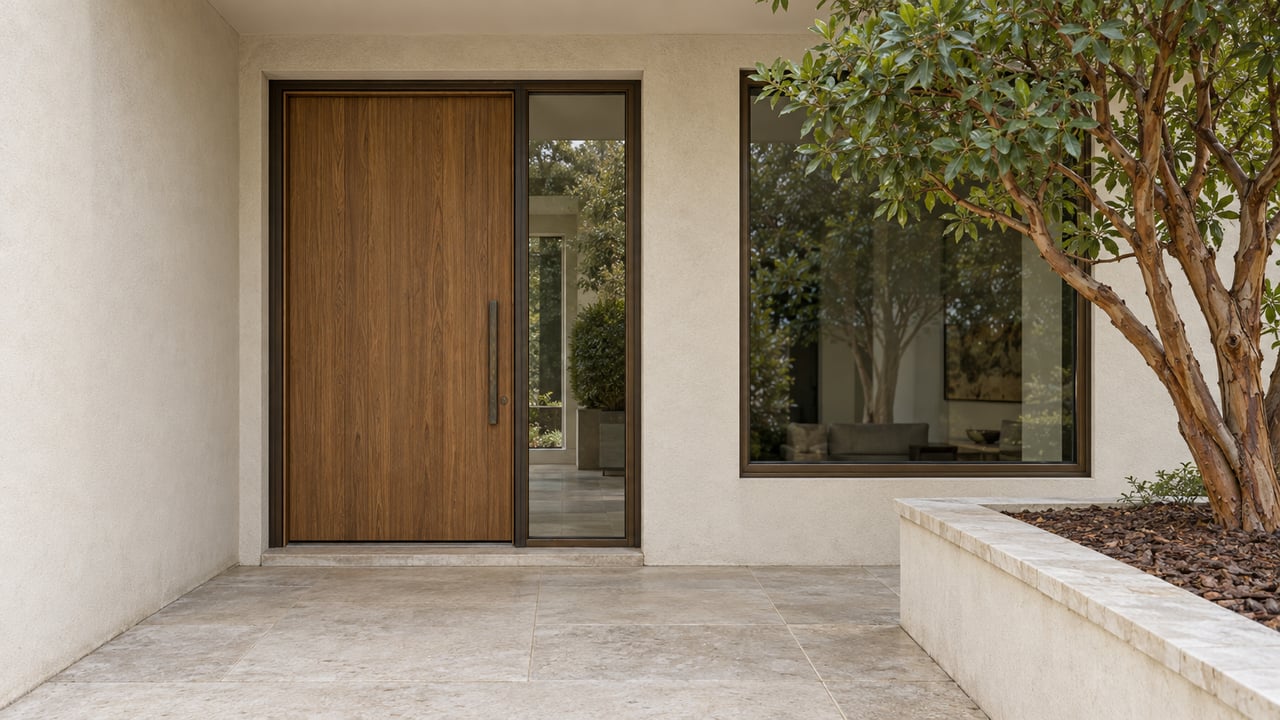
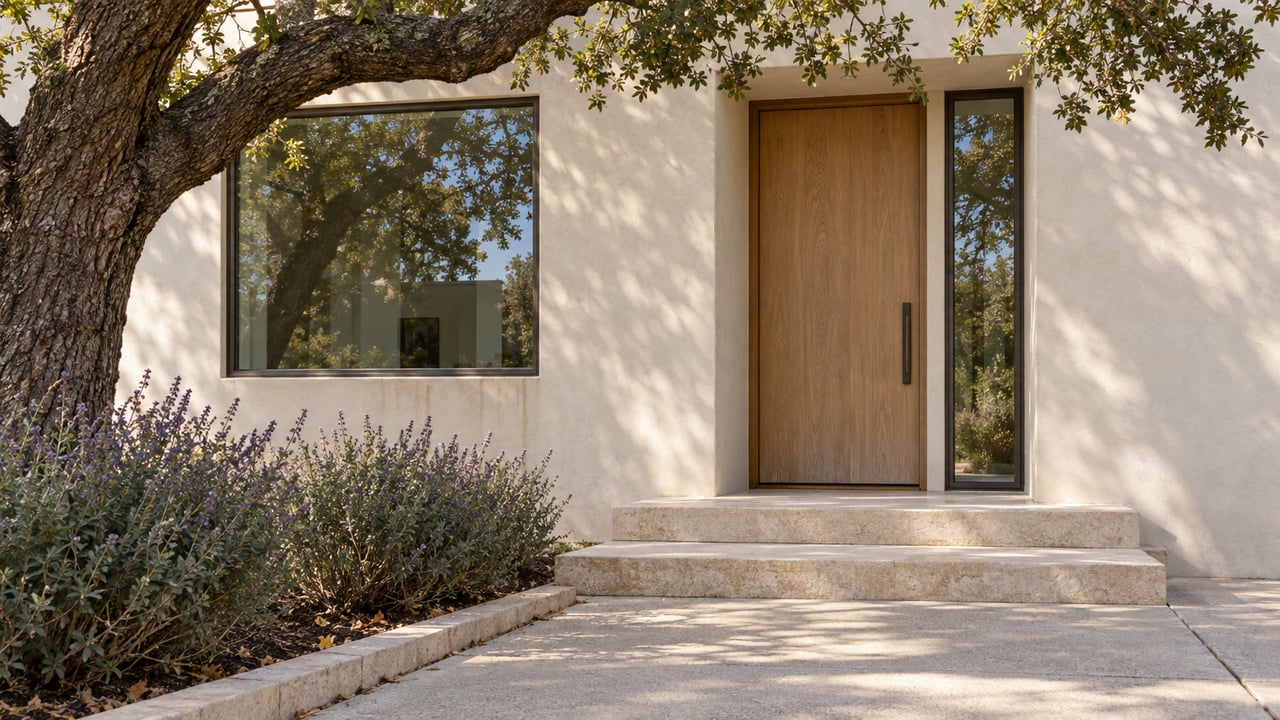
In Beverly Hills, architecture is part of the valuation conversation. The city’s Historic Resource Surveys identify places of social, historical, and architectural significance, and city review standards also reference exterior form, finishes, signage, and landscape design.
This does not mean every architecturally distinctive home will command a premium. It does mean that design coherence, curb appeal, and a strong overall presentation may affect how buyers perceive value, especially in areas where review standards are tied closely to neighborhood character.
For sellers, that is a useful reminder. In a selective market, thoughtful presentation can help buyers better understand what makes a property stand out beyond simple specs.
What buyers should compare before trusting an estimate
If you are buying in Beverly Hills, automated estimates and citywide medians should be treated as a starting point, not a final answer. A more useful comparison set often includes homes that share the same local conditions, not just the same bedroom count.
Here are the factors worth comparing most closely:
- Elevation and view orientation
- Lot size and buildability
- Interior-block setting versus corridor adjacency
- Architectural style and design-review context
- Whether the property is in Central, Hillside, or Trousdale Estates
Those distinctions come directly from the city’s local framework and are a better lens than relying on one broad number for all of Beverly Hills.
What sellers should know about pricing strategy
If you are selling, the biggest pricing mistake is assuming your home should align with a citywide average or a broad neighborhood median. In Beverly Hills, buyers often pay for a specific combination of lot, location, setting, and design qualities.
A strong pricing strategy starts with identifying the right micro-market first. From there, you can compare the home to truly relevant sales and position it more accurately in a market where overpricing can extend time on market and underpricing can leave value behind.
That kind of local analysis is where experienced neighborhood guidance matters most. If you want help understanding how your property fits within Beverly Hills’ overlapping micro-markets, Joel Cooper can help you evaluate the details that broad averages often miss.
FAQs
Why do similar Beverly Hills homes sell for different prices?
- Beverly Hills pricing often depends on area designation, elevation, lot size, buildability, corridor location, and architectural context, not just square footage or bedroom count.
What matters more in Beverly Hills: lot size, elevation, or location near commercial areas?
- It depends on the property, because Beverly Hills behaves like several micro-markets where lot flexibility, topography, and corridor adjacency can each affect value in different ways.
How does design review affect Beverly Hills home pricing?
- Design review can shape buyer perception and future project considerations, especially in areas where the city evaluates compatibility, scale, massing, and neighborhood character.
Why do hillside and Trousdale properties need more local analysis?
- Hillside and Trousdale properties may have more topographic, access, and mitigation considerations, which can make broad averages less useful than a narrow, location-specific comp set.
What should you compare before relying on a Beverly Hills valuation estimate?
- You should compare elevation, view orientation, lot size, buildability, corridor versus interior-block setting, architectural character, and the property’s location within Central, Hillside, or Trousdale Estates.