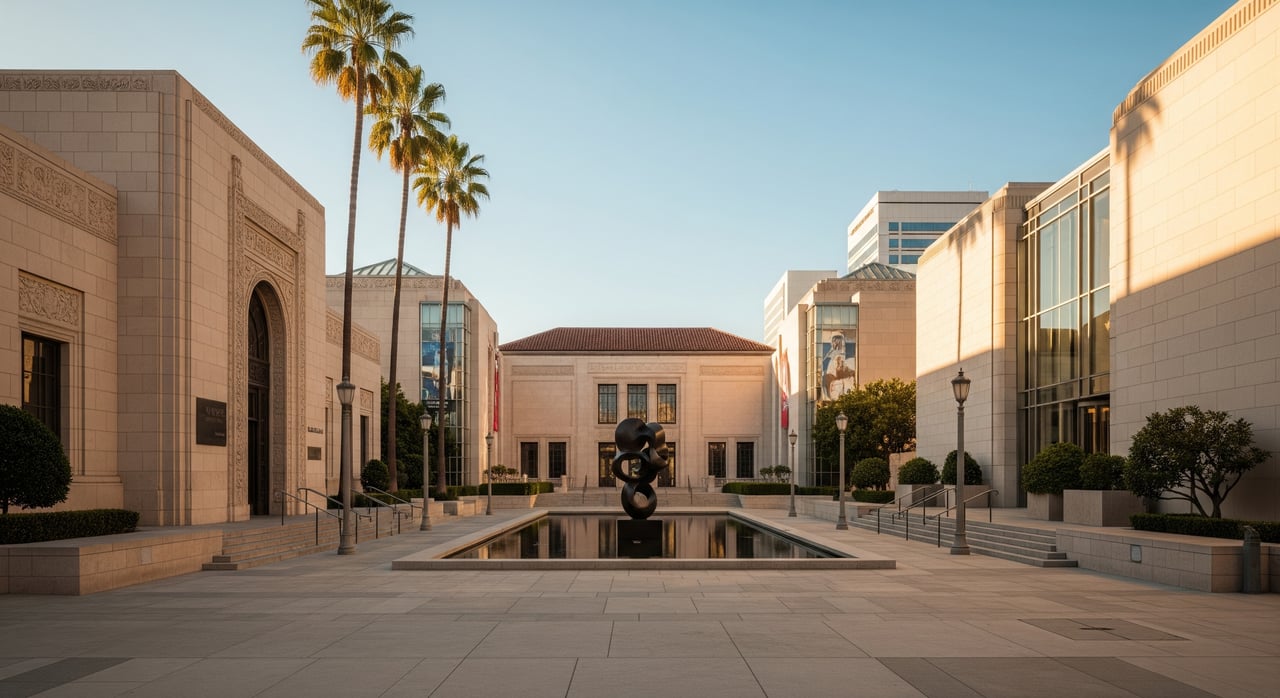
Love the idea of stepping out your front door and walking to world-class museums, film screenings, and public art? If you are considering a move to Los Angeles or already live nearby, Miracle Mile offers an arts-centered lifestyle with real day-to-day perks. In this guide, you will learn what is on Museum Row, how local programming shapes daily life, and practical tips for visiting, commuting, and choosing a home nearby. Let’s dive in.
Museum Row highlights
LACMA
The Los Angeles County Museum of Art is the largest art museum in the western United States and the anchor of Miracle Mile’s cultural corridor. You can explore collections ranging from modern and contemporary art to Asian and Latin American works, plus photography. On the grounds, you will find public artworks like Chris Burden’s Urban Light and Michael Heizer’s Levitated Mass that attract visitors throughout the day and evening.
La Brea Tar Pits and Page Museum
This active paleontology site and museum bring the Ice Age to life with outdoor tar pit areas, fossil excavation displays, and rotating educational programs. It is a favorite for families and science-curious residents who want hands-on learning. The outdoor elements make it an easy weekend stop, especially when you want a short, walkable outing.
Petersen Automotive Museum
With a striking façade and a focus on car design, history, and culture, the Petersen draws design lovers and technology buffs. Inside, themed exhibitions change regularly, and special events highlight automotive innovation. If you are passionate about design, it is a must-have membership.
Academy Museum of Motion Pictures
Near Wilshire and Fairfax, this museum celebrates film history through artifacts, exhibitions, and regular screenings. Expect curated film series, talks, and ticketed events that bring industry stories to life. For film enthusiasts, it is a cornerstone of the neighborhood’s cultural rhythm.
Craft Contemporary
This nonprofit museum presents contemporary craft and design through intimate exhibitions and artist programs. It is smaller in scale but rich in hands-on workshops and local connections. If you enjoy making and design, it is a great place to engage with artists directly.
Public art you see daily
Urban Light is a major photo destination and a natural meeting point day and night. Levitated Mass offers a unique land art experience right on the museum campus. Along Wilshire, you will see additional sculptures and seasonal installations that keep the corridor visually active.
How the arts shape daily life
Weekly rhythms and when to go
Weekends bring the highest visitor volume, especially around public artworks and major exhibitions. Some institutions schedule late-night programming on select days, which extends neighborhood activity into the evening. If you prefer quiet galleries, plan weekday or early morning visits.
Events and programs you will find
Expect a steady mix of rotating exhibitions, film screenings, lecture series, artist talks, and hands-on workshops. Family programs often cluster on weekend days, while talks and screenings tilt toward evenings. Around holidays, pop-up markets and craft fairs add to the calendar.
Crowd patterns and evening energy
Marquee attractions draw consistent foot traffic, particularly on holidays and during special shows. Evening screenings and museum nights increase restaurant demand nearby, so plan dinner reservations ahead. The cultural calendar gives you frequent reasons to walk out for an hour or make a full night of it.
Smart visiting tips for locals
Memberships and discounts
- Memberships often provide the best value if you visit more than a few times per year. Benefits can include unlimited entry to special exhibitions by tier, member previews, and shop or café discounts.
- Many institutions offer student, senior, educator, or local resident discounts. Policies change, so always verify benefits and ID requirements on museum websites.
- Some memberships include reciprocal access to partner institutions nationally. If you travel, reciprocal networks can stretch your dollars.
Best times and tickets
- For fewer crowds, go on weekdays or right at opening on weekends.
- Reserve timed-entry tickets for special exhibitions as these often sell out and may require a set entry window.
- Use museum apps and newsletters to watch for member-only hours, free community days if offered, and limited late-night programs.
Getting around and parking
- Transit access on Wilshire is strong for bus routes, and a major rail project is under construction that is expected to improve direct access. Check official transit sources for the Purple Line Extension timeline and stations.
- Driving is straightforward, but parking at museums is usually paid and can fill on busy days. Street parking exists but is limited in peak periods.
- The central stretch of Wilshire in Miracle Mile is very walkable for museum visits and nearby dining. Sidewalks are continuous, but crossings can be busy, so plan a little extra time.
- If you cycle, you will find racks and some bike lanes, but Wilshire can be heavily trafficked. Test a low-stress route before a big exhibition day.
Family and accessibility
- Many institutions offer stroller access, family programs, and hands-on exhibits, making weekend outings simple to plan.
- Most museums provide ADA-compliant entrances, audio guides, captioning, and mobility equipment when available. Confirm details and reservation policies before visiting.
Food and everyday errands
- Museum cafés and restaurants are convenient but can be pricier. For more options, explore dining clusters along Fairfax, La Brea, and nearby side streets.
- For groceries and larger errands, you will likely head a short drive or transit ride to adjacent commercial corridors. Miracle Mile itself blends cultural destinations with residential buildings and mid-density blocks.
Living near Museum Row
Housing stock overview
You will see a mix of historic Art Deco and 1920s to 1930s apartment buildings, mid-century apartment blocks, some condo conversions, and newer multifamily development along main corridors. Single-family homes become more common as you move to adjacent blocks farther north. If you are comparing buildings, assess parking, storage, and building rules that affect daily living.
Benefits and trade-offs
- Benefits: walkable access to museums and programs, an active cultural calendar, and proximity to film and creative industries.
- Trade-offs: higher visitor traffic on weekends, event-related congestion, and paid parking at popular sites.
- Practical checks: review HOA guest parking, short-term rental policies, and any rules that impact frequent visitors or deliveries.
Transit projects and construction
Large infrastructure projects along Wilshire have included extended construction activity with occasional closures, noise, and altered traffic patterns. These projects are intended to boost long-term transit access for the neighborhood, but near-term impacts can vary by block. If you are buying or leasing, visit at different times of day to understand typical patterns.
Investor and rental context
Cultural adjacency is a durable amenity, but it is not the only driver of value. Proximity to transit, building condition, on-site parking, and in-unit features remain critical. For income properties, local demand from museum staff, cultural visitors, and creative-sector workers can support occupancy, and it is important to review local rental regulations.
Is Miracle Mile a fit for you?
If you want a lifestyle where world-class arts programming is part of your weekly routine, Miracle Mile makes it easy. You can walk to exhibitions, pair a film screening with dinner, or drop by a family workshop on a Saturday morning. With smart planning around parking, timing, and memberships, the cultural perks become simple and repeatable.
If you are weighing housing options, a local guide can help you match building features and block-by-block dynamics to your lifestyle. For thoughtful, neighborhood-first guidance on buying, selling, or relocating near Museum Row, connect with Joel Cooper. Schedule a consultation to explore your options.
FAQs
What is Miracle Mile and where is it?
- Miracle Mile commonly refers to the Wilshire Boulevard museum corridor in central Los Angeles, roughly between Fairfax Avenue and La Brea Avenue, with adjacent residential blocks nearby.
Which Miracle Mile museums are best for families?
- La Brea Tar Pits and LACMA often feature family-friendly programs and hands-on elements, while other institutions provide workshops and educational events for a range of ages.
How does the Purple Line Extension affect residents near Wilshire?
- The project is under construction and can bring noise, traffic changes, and closures in the near term, with long-term benefits expected from improved transit access.
What are the busiest times to visit Museum Row on weekends?
- Midday to afternoon is typically busiest, especially during holidays or major exhibitions. For fewer crowds, aim for weekday mornings or right at opening.
Are museum memberships worth it if I live nearby?
- If you visit a few times per year, memberships can offer strong value through unlimited entry by tier, member previews, and discounts for shops and cafés.
What housing types are common in Miracle Mile?
- You will find historic Art Deco and early 20th-century apartments, mid-century buildings, some condo conversions, and newer multifamily developments along the main corridors.